Pilot light keeps going out, or the boiler will not relight at all? Whether you have an older standing-pilot floor-stander or a modern condensing combi with electronic ignition, we attend across London, diagnose the ignition fault safely, and restore heat and hot water.
On an older non-condensing boiler such as a Potterton Profile, Baxi Bermuda, Glow-worm Hideaway, or Ideal Mexico, a constantly burning pilot flame heats a thermocouple, generating a small voltage that holds open the gas valve. When the pilot blows out or the thermocouple drifts out of tolerance, the gas valve drops shut and the boiler will not fire. On a modern condensing combi (Worcester Greenstar, Vaillant ecoTEC, Ideal Logic, Viessmann Vitodens, Baxi DuoTec) there is no standing pilot at all, ignition is handled by a spark electrode, a flame-rectification probe, and the PCB. A blocked condensate trap, a fouled spark electrode, a cracked ignition lead, or low gas pressure can all stop the boiler lighting and trigger codes such as Worcester EA, Vaillant F28, Ideal L2, or Baxi E133.
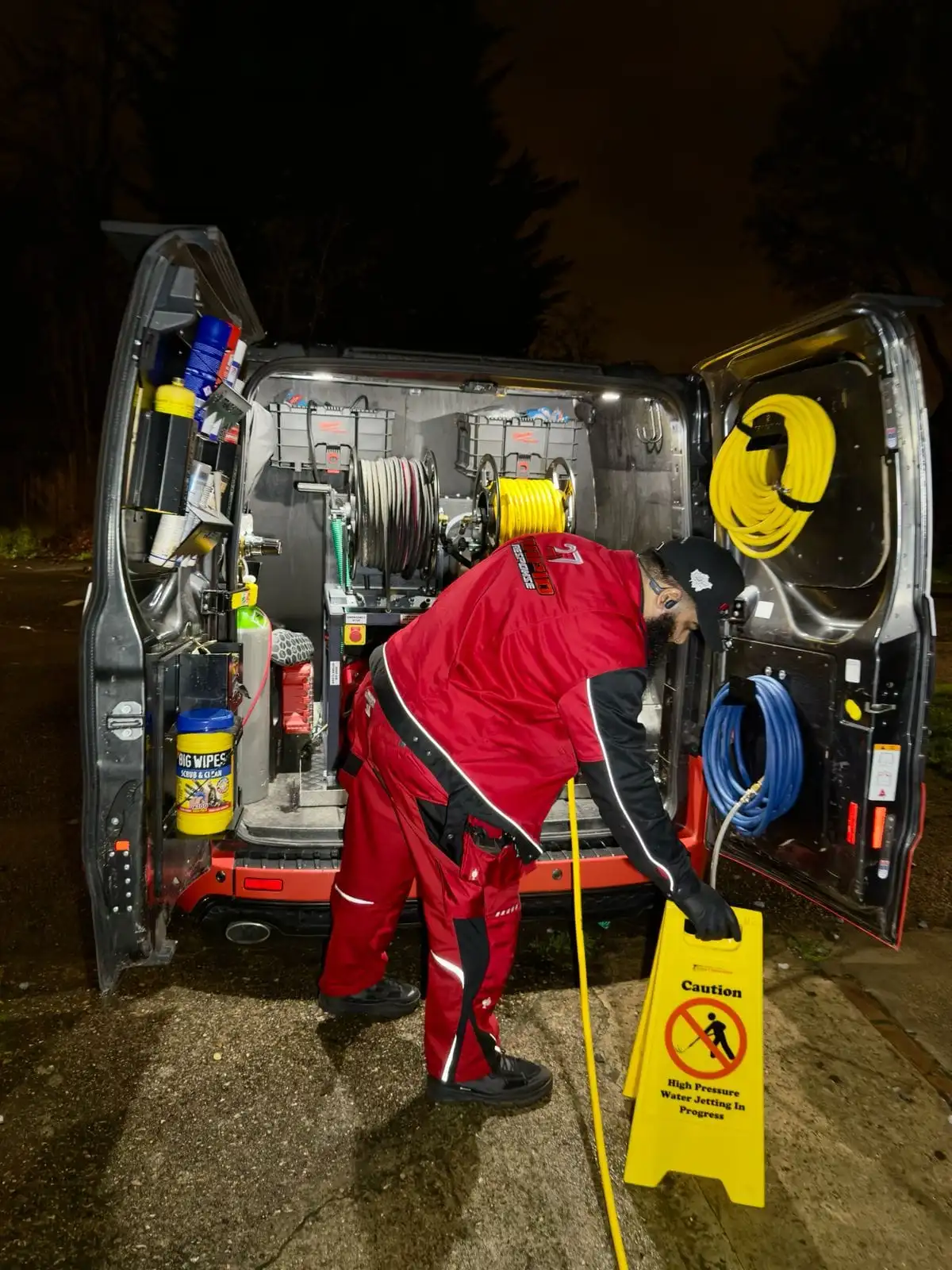
Our Gas Safe engineers attend with manometers, FGA analysers, replacement thermocouples, spark and flame-rectification electrodes, ignition leads, gas valves, and condensate trap kits for the common boiler ranges. Older standing-pilot units are tested for thermocouple voltage at the gas valve and for pilot stability under draught. Modern combis are connected to a manufacturer service interface where supported, and we read live combustion data rather than guessing from a single error code.
Where this service applies
- Standing-pilot boilers (Potterton, Baxi Bermuda, Glow-worm Hideaway, Ideal Mexico, Vaillant Turbomax) that will not stay lit
- Modern combi ignition lockouts (Worcester EA, Vaillant F28, Ideal L2, Baxi E133, Viessmann F4)
- Pilot lights for a second or two then drops out (failing thermocouple or weak pilot jet)
- Audible click but no spark visible at the burner (faulty PCB, ignition lead, or electrode)
- Sparks present but no flame establishment (gas valve, gas pressure, or condensate blockage)
- Boiler lights briefly then locks out (flame-rectification probe fouled or cracked)
- Wind, draught, or downdraught extinguishing the pilot in older flue installations
- Whole-property gas supply isolated and re-purged after an emergency call, pilot will not relight
How we deliver
No surprises, no upselling. The exact path every job follows.
- 1
Make-safe and supply check
Engineer isolates gas at the emergency control valve if appropriate, then confirms a stable supply and no smell of gas before any further work. - 2
Gas working pressure test
Manometer connected at the inlet test point. Standing and working pressure compared against the appliance data plate, typically 21 mbar for natural gas. - 3
Ignition path inspection
Spark electrode gap, flame-rectification probe, ignition leads, and earth bonding all checked. Pilot jet examined for blockage on standing-pilot units. - 4
Thermocouple or flame-sense test
Thermocouple voltage measured at the gas valve (a healthy unit reads above 18 mV). On combis, flame-rectification current verified using a microammeter. - 5
Condensate and flue checks
Condensate trap cleared and refilled, flue terminal inspected for blockage or downdraught. Common cause of intermittent lockout in winter. - 6
Repair quoted and carried out
Most common fixes (thermocouple, electrode, condensate trap, ignition lead) completed in the same visit from van stock. - 7
Flue gas analysis
Post-repair FGA reading recorded for CO, CO2, and ratio. Confirms safe combustion before the appliance is signed back to service. - 8
Workmanship guarantee and notes
12-month workmanship guarantee on any repair we carry out. Written job sheet emailed for your records.