One radiator stone cold while the rest are scalding? Bottom edge cool but the top burning hot? Upstairs scorching but the ground floor lukewarm? Three classic patterns, three different fixes. We diagnose and balance any London central heating system.
Cold spots fall into three families. Air at the top of a radiator (cool top, hot bottom) is usually a quick bleed job, although repeated air-locking points to a corroding system pulling hydrogen out of the water and needs an inhibitor refresh. Sludge at the bottom (hot top, cold lower third) is iron-oxide build-up restricting flow, common on systems older than five years without a magnetic filter and a classic candidate for a power flush or a targeted MagnaCleanse. A whole radiator running cold while the rest of the system is fine is almost always a balancing fault, either a failed TRV head, a stuck lockshield, or an unbalanced flow distribution that lets the boiler short-circuit through the easiest radiator and starves the rest.
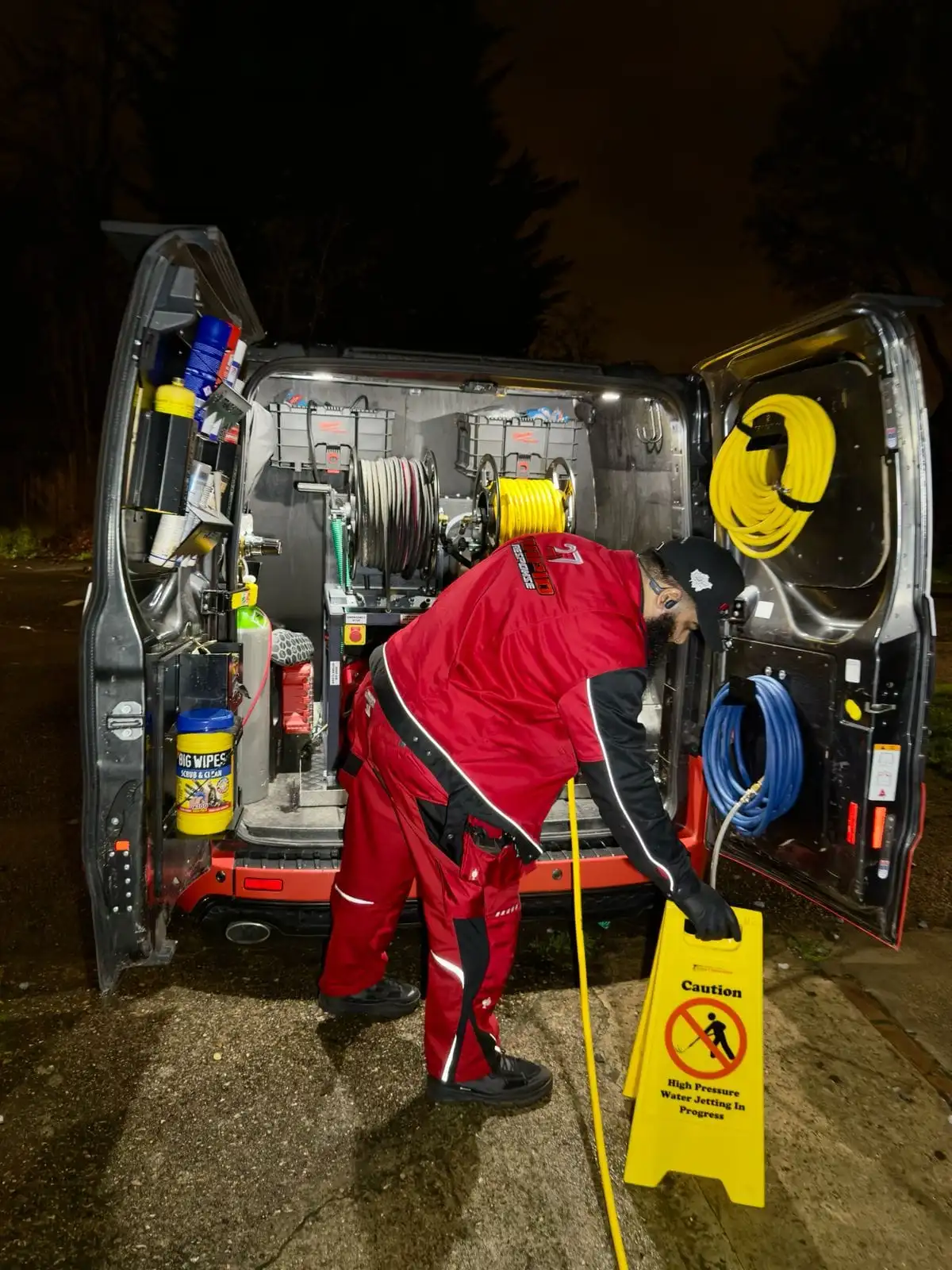
Our engineers attend with thermal-imaging cameras, contact pyrometers, Adey MagnaCleanse rigs for in-situ flushing, Fernox F1 quick-dose cleaners, Sentinel X400 sludge remover, fresh X100 inhibitor, replacement TRV heads (Honeywell, Drayton, Danfoss), lockshield keys, and balancing manometers. We balance to a 20 C system delta-T across flow and return, which is the modern condensing-boiler target, rather than the old 11 C standard that throws away efficiency on a Worcester Greenstar, Vaillant ecoTEC, or Viessmann Vitodens.
Where this service applies
- One radiator cold while the rest of the property heats normally
- Hot top, cold bottom (classic sludge pattern, usually iron-oxide build-up)
- Cold top, hot bottom (air trapped, possibly recurring due to system corrosion)
- Upstairs radiators too hot, downstairs barely warm (flow distribution fault)
- Radiators slow to warm up despite the boiler firing for long cycles
- TRV head spinning freely with no engagement (failed pin or seized internals)
- System recently power-flushed or had a new boiler, balancing not finished correctly
- OpenTherm or weather-compensated boilers running cool and never reaching setpoint, often a balancing issue rather than a boiler fault
How we deliver
No surprises, no upselling. The exact path every job follows.
- 1
Whole-system temperature map
Thermal-imaging camera and contact pyrometer used on every radiator. Patterns photographed for the job report. - 2
Bleed and air-vent inspection
Each radiator vented in turn. Repeated air points to system corrosion and an inhibitor refresh. - 3
TRV head and lockshield check
Heads removed, pins freed, lockshields exercised. Failed heads (Honeywell, Drayton, Danfoss) replaced from van stock. - 4
Targeted MagnaCleanse if needed
Sludged radiators isolated and flushed individually with an Adey MagnaCleanse rig before being returned to service. - 5
Balancing with clip-on thermometers
Two clip-on probes on flow and return. Each lockshield adjusted to achieve a 20 C delta-T across every radiator, the correct figure for modern condensing boilers. - 6
Inhibitor dose and filter check
Sentinel X100 topped up to BS 7593 specification. Adey MagnaClean Pro2 or Fernox TF1 filter cleaned and re-fitted, or recommended if not present. - 7
Controls verification
Where OpenTherm or weather-compensation is fitted, we verify the control strategy and adjust flow temperature in line with load-compensation curves. - 8
Hand-over and notes
Written job sheet with before-and-after temperature readings, balancing notes, and any further recommendations.