

Underground supply pipe leaks are among the most expensive plumbing failures to fix, not because of the repair cost itself, but because of the cost of finding the leak. Excavating a 30m run of front garden to locate a single pinhole in lead pipe can cost £5,000+ in groundworks alone, plus reinstatement of paving, drives or grass.
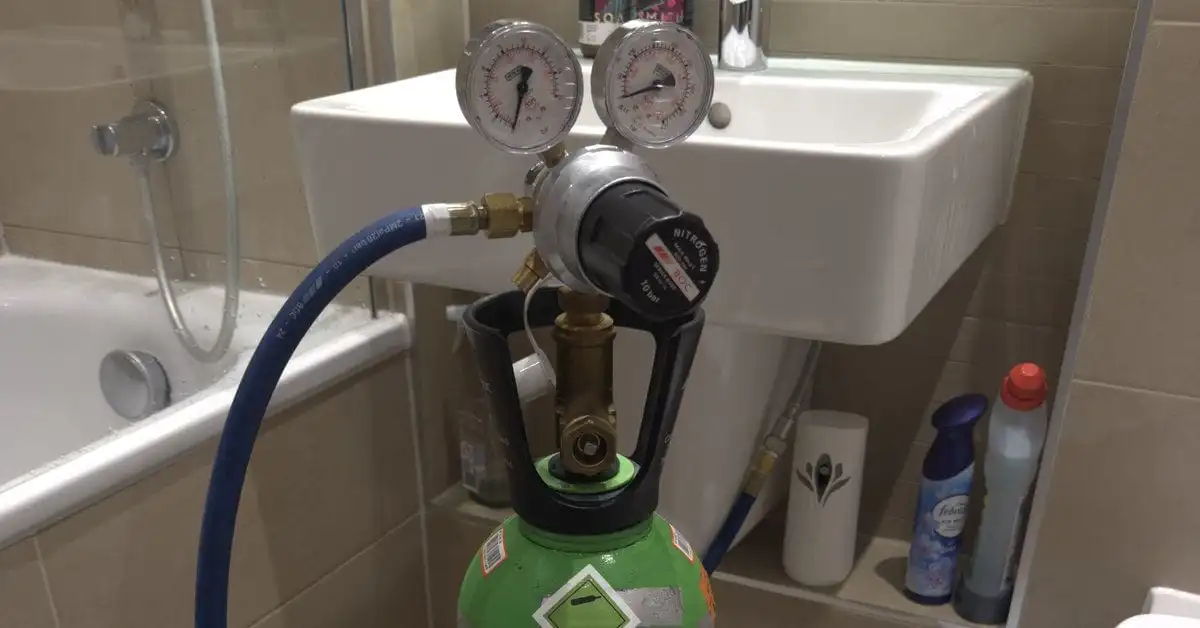
Our specialist underground leak detection team uses calibrated acoustic ground microphones (SewerIn Aquaphon A200) and tracer gas with surface sniffer probes to locate the precise failure point before excavation. A typical underground supply pipe trace pinpoints the leak to within 200–400mm, meaning we excavate a 1m square hole, not a 30m trench. Once the point is marked, our plumbers can repair the leaking supply pipe as a separately quoted job.
Where this service applies
- Lead supply pipes (Victorian/Edwardian London, typically 70–120 years old)
- MDPE plastic supply pipes (post-1980s. Failures often at joints with old lead)
- Copper supply pipes (pinhole corrosion in hard-water London)
- Concrete/stone driveway supply pipe failures (precision finding crucial)
- Garden lawn supply runs (avoid landscape damage)
- Communal supply risers in apartment buildings
How we deliver
No surprises, no upselling. The exact path every job follows.
- 1
Pressure verification
Confirm leak symptoms with pressure-decay test on isolated supply. - 2
Pipe-locator survey
Electromagnetic locator maps the pipe route from stop-tap to property. - 3
Surface acoustic walk
Ground microphones at 1m intervals along confirmed pipe route. - 4
Correlation analysis
Two synchronised sensors used at run ends to triangulate leak position. - 5
Tracer gas verification
Where acoustic isn't conclusive (plastic pipes), tracer gas surface scan. - 6
Marked-up location plan
Spray-paint mark on surface. Written report with measured offsets. - 7
Excavation/repair quote
Separate quote for the actual repair (or assignment to Thames Water if it's their side).